

Currency markets reward structure. They punish hesitation, noise, and weak process. That is exactly why AI trading bots have moved from being a novelty to becoming a serious analytical layer for experienced forex participants.
The appeal has never been about replacing trader judgment. It has been about handling complexity at a scale that manual analysis cannot sustain for long. Currency pairs react to shifting momentum, changing liquidity conditions, central bank language, cross-market correlations, and intraday sentiment changes. A skilled human trader can read part of that picture. A well-built AI bot can scan much more of it, much faster, and turn that information into a usable framework.
That matters because forex analysis has become less about finding one perfect signal and more about ranking probabilities under changing conditions. Modern bots support that process by filtering noise, highlighting patterns, and structuring decision-making in a market that rarely stays still for long.
Why High-Quality Forex AI Bot Technology Matters
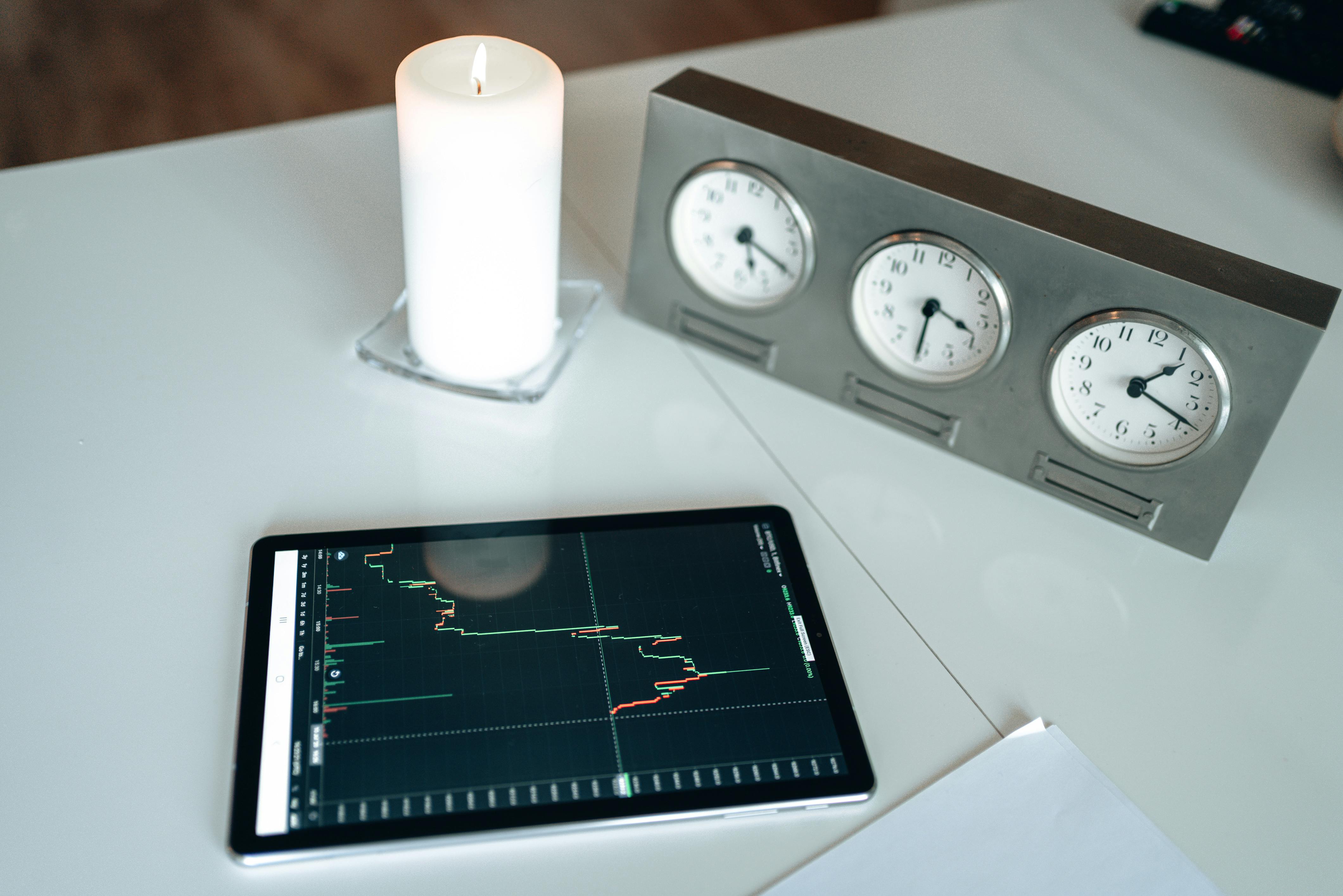
There is a major difference between automation that simply executes rules and technology that actually improves market analysis. In forex, that difference shapes outcomes. High-quality systems are built to interpret live market conditions with context. They do not treat every price move as equal, and they do not force the same response across different volatility regimes.
That is why traders pay close attention to platform quality, model logic, and data handling before trusting automated analysis. A serious AI trading bot forex platform can strengthen the way traders read price action, time entries, and manage exposure. The impact goes beyond individual workflows. Better technology raises expectations across the market. It pushes traders toward more disciplined execution and more evidence-based analysis.
In practice, poor-quality bots often create a false sense of precision. They may overfit historical moves, react too aggressively to short-term fluctuations, or ignore broader context that matters in live conditions. High-quality bot technology tends to do the opposite. It reduces random decision-making and supports a cleaner interpretation of the technical structure. That helps traders approach the market with a stronger process, which is where real value usually begins.
How Trading Bots Read the Currency Market More Deeply
A sophisticated bot processes more than chart patterns. It evaluates relationships. That includes how one pair responds to rate expectations, how another behaves during risk-off flows, and how momentum shifts when liquidity thins out. This kind of layered analysis gives traders something more useful than raw speed. It gives them a better map.
Most advanced systems combine several analytical inputs into a scoring model. Technical indicators still matter, but they work better when paired with pattern recognition and market-state detection. A moving average crossover means one thing in a stable trend. It means something very different in a choppy session with weak follow-through.
Well-designed bots often focus on questions such as:
- Is current momentum supported by the broader market structure?
- Does this move align with recent behavior in correlated pairs?
- Are volatility conditions suitable for trend continuation or mean reversion?
That shift in perspective is important. The bot is not chasing signals in isolation. It is measuring whether the environment supports a specific trade idea. For experienced traders, that can sharpen analysis far more than any other standalone indicator ever could.
Where Bots Fit Inside a Serious Trading Process
The strongest use case for AI in forex is not full delegation. It is structured support. Bots work best when traders define the framework and let automation handle scale, repetition, and fast recalculation.
That can mean different things depending on the strategy. A macro-focused trader may use a bot to monitor technical confirmation across several pairs after a policy-driven market shift. A short-term trader may use one to detect momentum decay or flag divergences that often get missed during active sessions. In both cases, the technology acts as an analytical extension of the strategy, not a substitute for it.
A responsible workflow usually includes a few core rules. The trader sets market conditions where the bot has authority, identifies the signals that matter most, and reviews performance based on live behavior rather than backtest optimism alone. This creates a healthier relationship between human judgment and machine processing.
Used this way, bots can improve:
- consistency in signal evaluation
- speed in cross-pair analysis
They also help maintain discipline during periods when emotion tends to distort execution. That benefit matters in forex because even experienced traders can drift from plan when markets move quickly.
The Limits of Automation, and Why They Matter
AI bots are powerful analytical tools, but they still operate inside design boundaries. They depend on the quality of their inputs, the relevance of their training logic, and the assumptions built into their models. Markets change and evolve. Correlations break. Central bank tone shifts. A system that performed well in one environment can lose its edge when the character of price action changes.
That is why oversight remains essential. Traders need to know what the bot is optimized to detect, where it tends to underperform, and how it behaves under stress. Blind trust creates risk. Informed use creates leverage.
There is also a practical issue that many traders learn late. More complexity does not always produce better decisions. Some bots generate so many variables that clarity disappears. Strong systems do something more useful. They simplify action by organizing complexity into a clear analytical hierarchy.
